

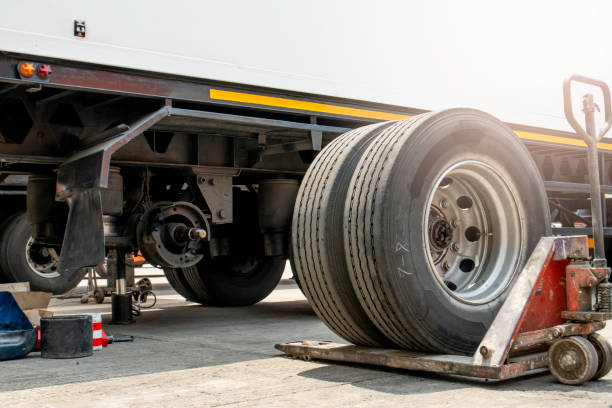
Wheel security failures are rare — until they’re not.
And when they happen, the consequences are almost always severe.
Detached wheels are treated by DVSA and Traffic Commissioners as a serious systems failure, not an isolated mechanical issue. Even where no injury occurs, operators can face vehicle prohibitions, public inquiry, and long-term damage to their operator licence.
So why does this keep happening?
Wheel Loss Is Not a Workshop Problem
One of the most common misconceptions is that wheel security sits solely with fitters or maintenance providers. In reality, enforcement bodies look much higher up the chain.
From a compliance perspective, wheel loss usually points to:
- Poor control of torque procedures
- No evidence of re-torque being completed
- Inadequate training or authorisation
- Weak record keeping
- Assumptions instead of systems
When DVSA investigate, they don’t ask who tightened the wheel.
They ask how the operator ensured it was done correctly and checked afterwards.
Torque Without Re-Torque Is Not Compliance
Correct torque at fitment is only half the process.
After a wheel has been removed or refitted, movement can still occur once the vehicle returns to service. That is why re-torque is not optional, best practice, or “nice to have” — it is a critical safety control.
Operators should be able to demonstrate:
- Manufacturer torque specifications
- Calibrated torque equipment
- A defined re-torque timeframe
- Clear responsibility for completing it
- A written record showing it happened
If there is no record, enforcement will assume it did not take place.
What DVSA Expect You to Show
During an inspection or investigation, operators are often asked:
- Who is authorised to carry out wheel torque work?
- How is torque equipment controlled and calibrated?
- How do you ensure re-torque is completed and recorded?
- What checks do drivers carry out to identify early warning signs?
Operators who can immediately produce a wheel security procedure, torque records, and re-torque logs are viewed very differently from those who rely on explanations.
Drivers Are the Final Safety Net
Drivers are not responsible for tightening wheels — but they are vital in identifying early indicators of movement.
Daily checks should look for:
- Missing or loose wheel nuts
- Movement of wheel nut indicators
- Rust streaks or fretting
- Unusual vibration or noise
A driver reporting early signs can prevent a catastrophic incident — if the operator acts decisively.
The Compliance Bottom Line
Wheel security failures are rarely caused by one mistake. They happen when systems are informal, responsibilities are unclear, and checks are undocumented.
Strong compliance is not about doing more — it’s about doing the right things consistently and being able to prove it.
If you haven’t currently got a Wheel Torque process in place or want to check your current processes, then let our experts help you with this. Contact us by email info@thetc.co.uk or call on 07436806532 and lets get your process in check before the DVSA knock on your door to check!